20 Pro Ideas For Deciding On Totaki Womens Massage Websites
Wiki Article
Todaki Massage 10 Best Tips For The Healing Philosophy Of Todaki Massage
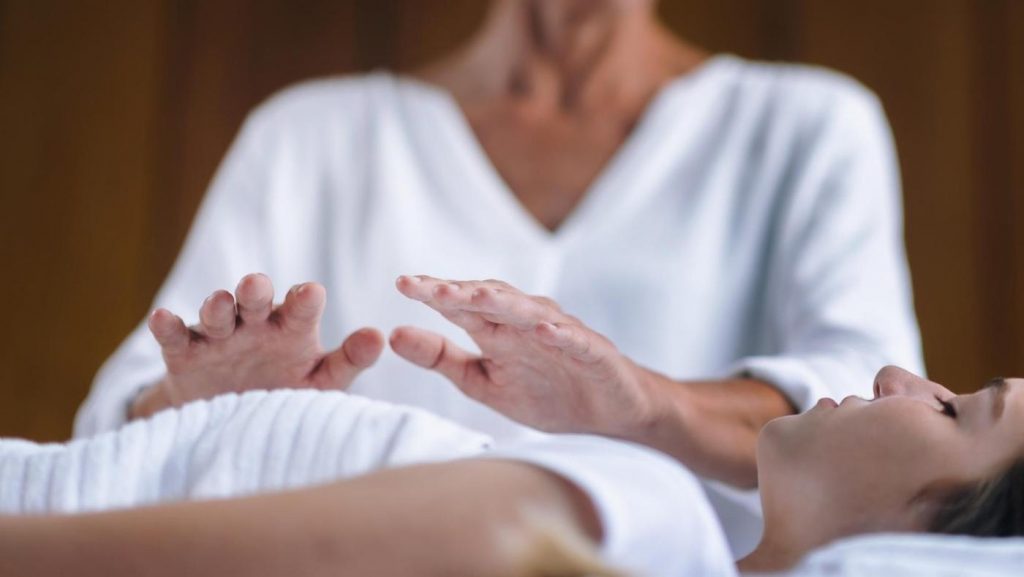
Todaki's philosophy is a departure from conventional notions of massages as only temporary treatments for luxury or muscle treatments. It's a carefully designed environment based on the basic belief that modern woman's exhaustion although physical in nature is rooted in emotional and mental roots. This isn't just an advertising slogan, but rather a guiding principle that guides every aspect of the treatment. From the selection of therapists as well as their education to the creation of the massage technique and the customer experience in itself. It's a shift in the focus away from passive relaxation to active recovery. The goal is to create a sanctuary that allows clients to embark on the journey that is self-renewing and rejuvenation, while feeling safe and secure. The following ten points detail the way this idea is embodied into a tangible deep experience.
1. Holistic Symptom Recognition
Todaki believes that pain is rarely isolated. A patient complaining of shoulder pain isn't considered to be a specific problem, but rather as a sign of general stress and poor posture resulting from long hours of work, and even emotional stress. The intake process as well as the treatment plan of the therapist is created to reveal the relationships. This ensures that therapy targets the cause, not the effect.
2. The Connection Of Jeong (?) Emotional Connectivity
Todaki is built on the Korean concept of emotional connection as well as solidarity and affection. The relationship between the client and therapist is not just an exchange. The foundation of the relationship is empathy, active listening and a shared understanding about the particular pressures women experience. The establishment of a safe and 'jeong-filled' environment is seen as a key component of mental healing as it helps the client feel heard, understood, and cared for.
3. Mind-Body Techniques Beyond Massage
The healing session includes elements specifically designed to soothe the nervous system. The session incorporates guided breathing exercises which are linked to massage strokes. Mindfulness prompts encourage clients to rid their minds of all mental clutter. Aromatherapy can induce emotional responses like peace, relaxation, or rejuvination.
4. Therapeutic Outcomes Evaluation
Todaki is adamant that healing needs to be measurable. Although relaxation can be described as an experience of peace, healing can be determined by changes in mobility (e.g. shifting from an 8/10 scale of pain to a 3-10) or better sleep reports, or a decrease in the frequency of headaches caused by tension. Therapists are trained to establish and review these goals with clients, framing the service as a progressive process towards a sustainable and healthy lifestyle.
5. Cultural Context
'Sanhujori' (Postpartum Care) Integration
The philosophy is profoundly inspired by Korean culture, particularly 'Sanhujori’ - the traditional healing art of postpartum and treatment. It is the result of a deep understanding the intense, specific periods of a woman's existence that require dedicated healing. Todaki adapts this wisdom to the modern world, providing specialized programs that recognize the significant emotional and physical transformations that women experience, and validate their need for committed recovery time.
6. Empowerment Through Education
The sessions at Todaki are typically educational. Clients are educated about their body. They learn why knots form, what exercises can cause pain and what simple stretch, or ergonomic adjustments, can help manage the knots on a daily basis. This gives clients the power to take care of themselves and is essential to achieving lasting physical and mental independence.
7. Unplugging your devices and switching is a ritual.
The service is designed to be a routine which helps you move from a stressful world to a calm and peaceful one. The consultation prior to the massage, the room setting, the relaxing music, and the presence of the therapist to induce a state of disconnecting from the world of mental stimulation. This ritualistic element informs the brain that it's safe to disconnect and is the most important step to deep mental recovery.
8. Cumulative Healing Journey, Not One-Time Service
Todaki's philosophy suggests that you view healing as a continuous process. While a session may offer temporary relief, the Todaki platform (packages or membership options, as well as continuity of the therapist) ensures that patients receive ongoing treatment. This acknowledges that chronic stress and painful patterns that have been accumulating over time, need constant, dedicated effort in order to unravel and heal. Moving the value proposition from instant gratification to a long-term health investment.
9. The Sanctuary of the Home
Todaki's healing is delivered in the most secure place the client chooses (home or a hotel), removing the stress associated with travel or public changing areas and unfamiliar environments. This allows the client to be completely absorbed in the feeling. The healing process starts when the therapist shows up, since the client has already reached an improved state of psychological peace.
10. The Therapist is also known as "Healing Partners"
The role of the therapy professional is defined from that of a service provider into that as an "healing companion". Their extensive education covers not just anatomy and technical abilities, but also communication, psychology and the creation of a space for holding. The purpose of the therapist is to act as a skilled facilitator, facilitating the process of healing for the client. This relationship is essential to achieving the deep, trust-based relaxation necessary for true physical and mental relaxation. See the top rated 여성전용마사지 for blog examples including massage for women near me, massage places for pregnant women, massage body scrub, woman get massage, mobile female massage therapist, best massage for ladies, best massagers for women, best massage for ladies, body oil massage for women, massage for pregnant women and more.
Top 10 Tips On Todaki Massage's Curated, Special Menu To Meet The Needs Of Women
Todaki's list of services isn't a generic listing of massages. Rather, it is a carefully curated portfolio of products designed to address specific physiological and mental challenges women face throughout their lives. The curation of services is an application of the platform's "healing vs. relaxation" principle. It provides therapeutic interventions that transcend Swedish or other deep tissue treatments. Each treatment is built on a solid base of anatomical and cultural knowledge (especially Korean Sanhujori techniques) and a deep understanding the lifestyle of modern women. The menu functions as an instrument to aid clients choose treatments that correspond directly with their needs.
1. Sanhujori Treatment: Scientific Postnatal Recover
The roots of this are in the centuries-old Korean tradition but updated with modern medical knowledge it is an essential offering. It's much more than a massage. It's a holistic healing protocol. The treatment focuses on gently moving your uterus into its normal position before pregnancy through specific abdominal massaging (Baek - Hwe), relieving the congestion of the breasts that result from breastfeeding, and re-aligning your hips and spine, which were overloaded during childbirth and pregnancy. The program includes suggestions on breathing and warm-up exercises to refuel the mother's Qi.
2. Targeted Fatigue Relief for Corporate Employees
This program, specifically designed for professional women in modern times and addresses physical manifestations of sedentary workplace life. Therapists are certified to recognize tension patterns caused by long periods of sitting in a chair, wearing high heels and utilizing computers. Therapists are trained to identify and release tension patterns caused by prolonged sitting or high heels as well as computer use.
3. Menstrual Comfort and Hormonal Harmony
This treatment is scientifically adapted to menstrual cycles. Therapists use techniques to relax the nervous system and ease cramps. They concentrate on acupressure areas in the abdomen, such as the Spleen6 area, the lower back, and the feet. The treatment could include warm stones or ginger to relax muscles, increase blood flow, and lessen constipation and cramps. The method and pressure is adapted to the individual's current cycle phase.
4. Metabolic and Circulatory Enhance Therapy
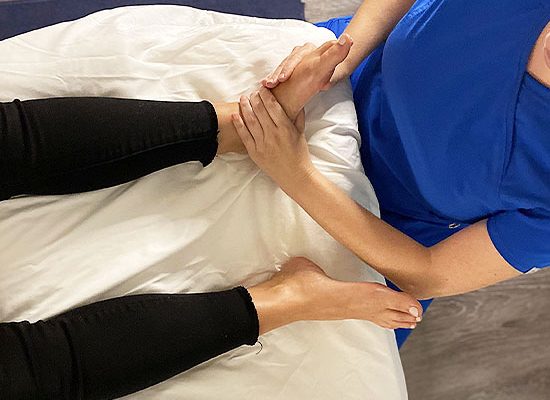
Women suffering from the problem of fluid retention or poor circulation in the legs are usually at high risk. Todaki's "leg treatment" procedure is designed to increase lymphatic drainage, improve the flow of venous blood and increase lymphatic drainage. By using long, smooth strokes to the lymph nodes as well as specific kneading methods, therapists effectively reduce the edema (swelling) and the feeling of tired, aching legs. This procedure is especially popular among those who stand for long hours or suffer from poor circulation.
5. Shoulder and Neck Maintenance Programs
Todaki recognizes that shoulder tension affects nearly everyone. Todaki offers packages with many sessions to make improvements. Therapists focus on more than just the superficial muscle of the trapezius. They also focus on more deep postural muscles like the levator-scapulae or scalenes. The program also includes instruction about ergonomics, stretches you can practice at home, as well as monitoring progress to break the cycle of chronic pain and avoid future problems, positioning the treatment as a long-term health investment.
6. Perimenopause and Menopause Support Protocol
This service is specialized to address the complicated symptom pattern of hormonal change. Treatments focus on alleviating specific complaints like anxiety and insomnia through calming, nervous-system-soothing strokes, reducing joint stiffness and pain through gentle mobilization, and managing "hot flash" discomfort with temperature-regulating techniques. The setting is designed to provide optimal comfort. The therapy approach of the therapist is one of deep empathy and support for this important life change.
7. Emotional Release & Stress Resilience Therapy
This program focuses on physical and mental relaxation, because stress accumulates in the body. The therapists create an environment which emotional expression is supported and encouraged. The treatment often focuses on the areas that are known to hold emotional tension, such as the diaphragm, jaw muscle, and psoas. Combining guided breath and a deeply sensitive hand, this treatment assists in controlling the nervous system, shifting it from a "fight or flee" to an "rest and digest" mode.
8. Mental Fatigue: Treatment using the scalp and the head.
This treatment targets mental exhaustion. Acupressure, in combination with gentle neck traction coupled with a meticulous approach to the tiny muscles in the skull eases headaches and improves the clarity. Use of essential oils like peppermint or lavender may enhance the benefits. It is an effective tool for women who suffer from fatigued minds caused by the constant demands of cognitive function as well as multitasking and other causes.
9. Aromatherapy inclusions that can be customized
The menu includes a selection of essential oils that have been chosen for their therapeutic properties to benefit women's wellbeing. Clients can select blends to stimulate, reduce tension, balance hormones, or to uplift mood. It is not a supplement, but a therapeutic tool that is designed to stimulate the limbic (emotional center) of the brain. It improves the effects of massage through enhancing the sensory experience.
10. Post-operative and pre-operative care programs
Todaki has carefully designed programs to aid in healing. Pre-operative session concentrates on anxiety reduction and improving circulation to help prepare the for the body. Post-operative care (always with a doctor's approval) involves very delicate, specially-designed techniques aimed at reducing swelling, enhancing mobility of scar tissue, and restoring motion without disrupting the process of healing. This is a way to bridge a gap in post-operative care that is usually overlooked by standard healthcare systems.